Asia, as the largest and most populous continent, presents a diverse landscape for businesses. From bustling tech hubs to emerging economies, the region’s appeal for investors is undeniable. However, the ease of doing business varies significantly across countries, influenced by regulatory frameworks, infrastructure, and market dynamics. Below, we’ll rank Asian countries based on their business environments, using insights from the World Bank’s “Ease of Doing Business” reports and other recent economic analyses.

Top-Tier Countries: Business-Friendly Leaders
- Singapore
- Why It’s the Best: Singapore consistently ranks as one of the easiest places to do business globally. Its streamlined regulatory environment, robust legal system, and world-class infrastructure make it an investor’s paradise. Starting a business is quick and efficient, often completed within a day, and the country’s tax system is highly competitive.
- Key Advantages:
- Transparent and efficient governance.
- Strong intellectual property protections.
- A strategic location that serves as a gateway to Asia.
- South Korea
- Why It’s Excellent: South Korea’s technologically advanced ecosystem supports innovation and entrepreneurship. The government offers substantial support for startups and businesses in tech-driven sectors.
- Key Advantages:
- Advanced digital infrastructure.
- Pro-business policies and government incentives.
- Strong emphasis on research and development.
- Hong Kong
- Why It Excels: Despite political uncertainties in recent years, Hong Kong remains a magnet for businesses due to its free-market policies, efficient tax system, and strategic port location.
- Key Advantages:
- Minimal trade barriers.
- An established financial hub with global connectivity.
- Robust legal and regulatory systems based on British common law.
Mid-Tier Countries: Promising but Challenging
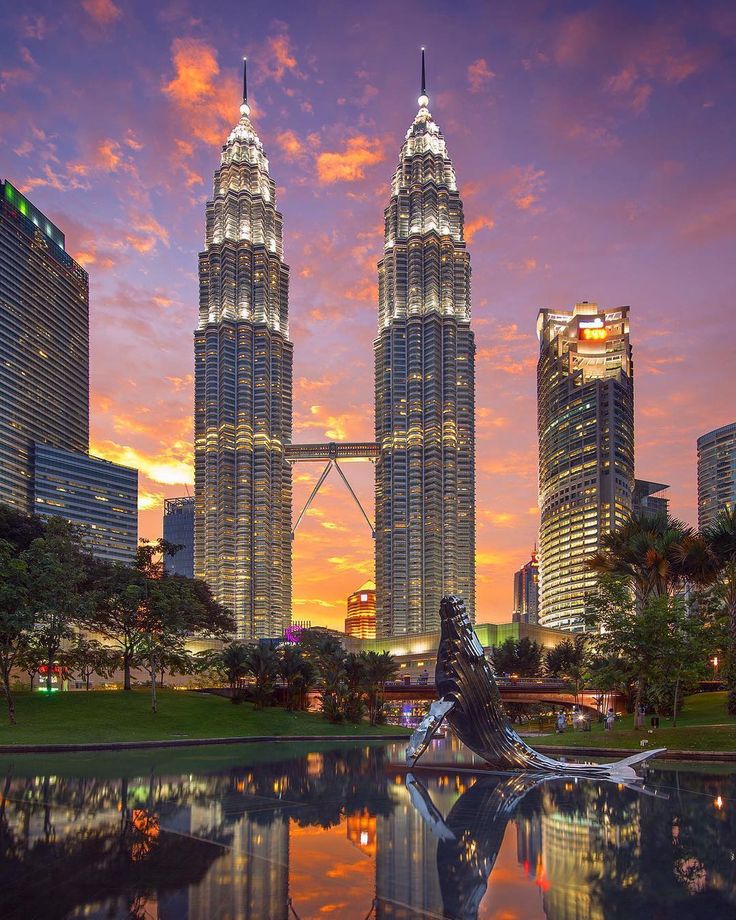
- Malaysia
- Why It’s Promising: Malaysia’s diversified economy and strategic reforms have positioned it as a regional leader in ease of doing business. Efforts to digitize government services have improved business operations.
- Challenges:
- Bureaucratic hurdles in certain sectors.
- Dependence on specific industries like oil and gas.
- Thailand
- Why It’s Growing: Thailand has made significant strides in streamlining business processes, particularly in areas like property registration and credit access. Its tourism-driven economy also provides abundant opportunities for businesses.
- Challenges:
- Political instability.
- Inequalities in regional infrastructure development.
- China
- Why It’s a Powerhouse: China’s massive market size and manufacturing prowess make it an attractive destination. Recent reforms have simplified business registration and foreign investment procedures.
- Challenges:
- Complex regulatory environment.
- Intellectual property concerns and trade tensions.
Emerging Markets: High Potential, High Risk

- Vietnam
- Why It’s Rising: Vietnam has become a hotspot for manufacturing and export-oriented businesses, thanks to competitive labor costs and trade agreements.
- Challenges:
- Underdeveloped infrastructure.
- Complex tax compliance requirements.
- India
- Why It’s Optimistic: India’s reforms, such as the Goods and Services Tax (GST) and digital initiatives, have improved its business climate. Its massive consumer market is a key draw for investors.
- Challenges:
- Bureaucratic red tape.
- Infrastructure bottlenecks and regulatory inconsistencies.
Lower-Tier Countries: Significant Barriers
- Pakistan
- Why It’s Struggling: While Pakistan has implemented reforms to simplify business procedures, issues like political instability, corruption, and weak infrastructure hinder progress.
- Key Challenges:
- Limited access to credit.
- Energy shortages and unreliable utilities.
- Bangladesh
- Why It Faces Issues: Bangladesh’s booming garment industry shows promise, but structural challenges such as poor infrastructure and bureaucratic inefficiencies weigh heavily on its business environment.
- Key Challenges:
- Lengthy procedures for starting businesses.
- High levels of corruption.
Key Factors Shaping Business Environments
- Regulatory Framework:
- Transparent and streamlined regulations reduce costs and risks for businesses.
- Countries like Singapore excel here, while emerging markets often struggle with bureaucratic complexities.
- Infrastructure:
- Robust infrastructure facilitates efficient operations. South Korea and Hong Kong provide excellent connectivity and facilities, whereas countries like Bangladesh face significant gaps.
- Political Stability:
- Political uncertainties can deter investment. While Singapore and Malaysia maintain stability, countries like Pakistan and Thailand face periodic disruptions.
- Market Size and Accessibility:
- Large consumer markets like China and India attract global investors despite regulatory challenges.
- Innovation and Technology:
- Digital transformation plays a critical role in ease of doing business. South Korea’s tech-savvy environment sets a benchmark for others.
Conclusion
Asia’s diversity is its strength and challenge when it comes to doing business. While top-tier countries like Singapore, South Korea, and Hong Kong showcase the benefits of robust policies and infrastructure, emerging markets such as Vietnam and India highlight the opportunities and hurdles of rapid growth. For investors, understanding the nuances of each market is essential to navigating Asia’s complex business landscape effectively.
The region’s future competitiveness will hinge on addressing challenges like regulatory inefficiencies, corruption, and infrastructure deficits. As governments continue reforms, Asia is poised to strengthen its position as a global business hub.